This year, the Massachusetts State RMV discontinued Zoom driver’s education courses and replaced them with in-person classes. Although this may seem inconvenient, in-person classes were the norm before the COVID-19 pandemic.
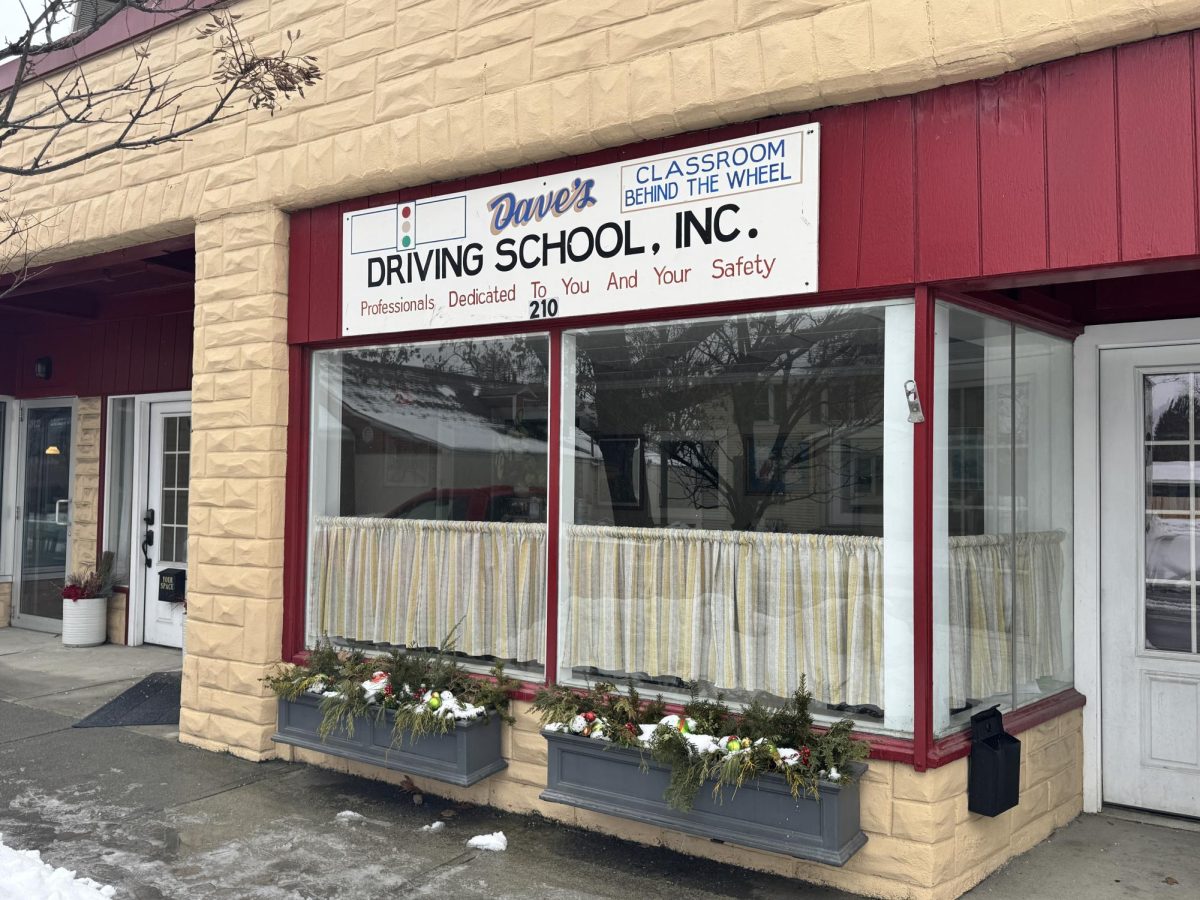
Steve Murray, an instructor for Dave’s Driving School, recalls it “was simply the safer way to get the work done.”
“It was only late last summer,” Murray continued, “that the State of Massachusetts decided it would end the Zoom instruction and return to live classes.”
Ever since this mandate, driver’s education has been held in classrooms only. This change, however, has been viewed positively in the driver education community.
“My colleagues and I were and are supportive of the return to live classes. It doesn’t take a lot of training to know that live instruction, people dealing with people, is the preferred setting for teaching and learning, and I believe this change is very positive.” Murray explains.
This shift in the program has resulted in an increase in class accessibility, due to the after-school programs. Students who are already in the building simply have to walk to a different classroom after school to attend the class.
Although there are benefits to in-person education, there are also some drawbacks: For instance, students are often tired and hungry after a long day in the classroom.
“They are obligated to [spend] three hours each day for ten days watching potentially boring slides and videos, [which] is not very attractive to young wannabe drivers,” Murray said.
Part of this concern is that this will distract students from important lessons needed to become safe and effective drivers.
“I personally believe there can be a better way, but I have not yet figured out just what that would look like,” he said.